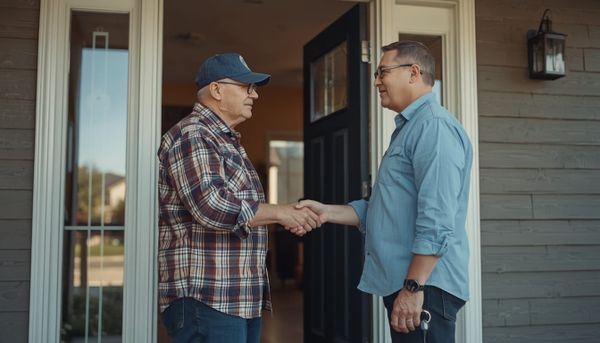
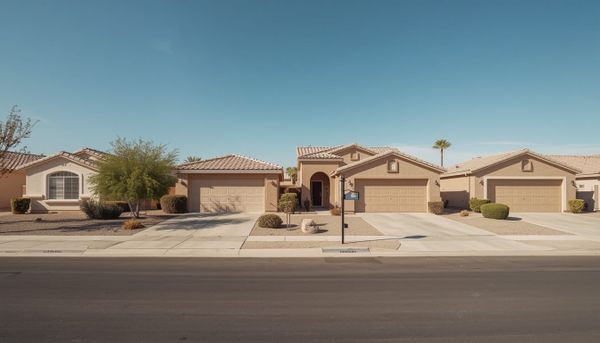
The Smart Money Just Made Its Biggest Bet on Senior Housing. East Valley Homeowners Over 60 Are Holding the Asset.


One of the largest real estate investors in the world just called senior housing their highest-conviction strategy for 2026. The 80-plus population is growing 50% in five years, the country is building half of what it needs, and over half of America's wealth sits with this one age group. If you are an East Valley homeowner over 60, you are holding the asset everyone is talking about.
When institutional money managers go on national television, they talk their book. So when one of them says senior housing is their single highest-conviction investment for 2026, pay attention to the reasoning, because the same numbers driving their billions tell East Valley homeowners over 60 something important about the asset sitting under their own roof.
The interview laid out a real estate market nearly four years into a correction, with values down roughly 25% and 2026 shaping up as the inflection point into recovery. But within that landscape, one sector stood alone on demographics so strong they override everything else: housing for seniors.
The Demographic WaveThe Number Behind the Conviction
The case rests on a single, unstoppable fact. The 80-plus population in the United States is projected to grow by 50% over the next five years. Not 5%. Fifty. And the country is currently building about half the senior housing it needs to keep up with even today's demand.
over the next five years
Mesa, Chandler, Gilbert, and Apache Junction sit directly in the path of this wave. The East Valley has been a retirement destination for decades, from the active adult communities of east Mesa to the snowbird neighborhoods of Apache Junction. The demographic surge the institutional investors are positioning for is not happening somewhere else. It is happening on your street.
The Wealth ConnectionHow Seniors Actually Pay for the Next Chapter
Here is the part of the interview that matters most for East Valley homeowners, and it came almost as an aside. Over half of this country's wealth is concentrated in the senior age cohort. And when the discussion turned to how seniors afford their next housing chapter, the answer was direct: not from income, the way working families pay for housing, but from assets. Savings, investments, and above all, the home.
The exact phrase used: I sell my house and that gives me a number of years to afford senior housing. Because home prices have risen so dramatically over the last 30 years, and because so many seniors have been in the same home through that entire run, the equity is there. That is precisely the situation of thousands of East Valley homeowners who bought in Mesa or Chandler in the 1990s and have watched the home pay them better than most investments could have.
Your OptionsThree Paths for East Valley Homeowners Over 60
If you own a home in the East Valley and you are 62 or older, the institutional case for senior housing translates into a personal decision with three main paths, and each one deserves real numbers before you choose.
Path one: sell and transition. The straightforward move the investor described. Sell the Mesa or Gilbert home, capture the equity, and fund the move to an active adult community, assisted living, or closer to family. With the spring market bringing buyers back and East Valley inventory moving, sellers with three decades of equity have enormous flexibility on timing and terms.
Path two: stay and unlock. Many East Valley seniors do not want to leave. The home is paid off or close to it, the neighborhood is familiar, and the Arizona winters are the reason they came. A Reverse Mortgage, formally a Home Equity Conversion Mortgage, allows homeowners 62 and older to convert a portion of that equity into cash or a line of credit with no monthly mortgage payment, while keeping the home. For homeowners facing the healthcare and aging-in-place costs the interview mentioned, this funds those costs from the asset instead of the fixed income.
Path three: rightsize with a Reverse Purchase. The least known option and often the most powerful. A Reverse Mortgage for Purchase lets a buyer 62 or older purchase a new home, say a single-level home in Queen Creek closer to the grandkids, using a combination of sale proceeds and reverse financing, with no monthly mortgage payment on the new home. You keep a meaningful portion of your sale proceeds in reserve instead of paying all cash, and your monthly budget carries no mortgage payment.
Every one of these paths has tradeoffs, costs, and qualification requirements. Reverse Mortgages require homeowner counseling, you remain responsible for taxes, insurance, and maintenance, and the loan affects what passes to your heirs. This is exactly why the decision deserves a real conversation with real numbers, not a guess based on something a neighbor said at the clubhouse.
The TakeawayThe Smart Money Sees What You Are Sitting On
Institutional investors are deploying billions into senior housing because the demographics are certain and the wealth to pay for it exists, concentrated in homes exactly like yours. For adult children helping parents plan, and for Realtors and financial planners advising clients in this age group, the message is the same: the East Valley homeowners who run their numbers now, before the decision becomes urgent, are the ones who keep all three paths open.
Homeowners who purchased in Mesa, Chandler, or Gilbert in the 1990s or early 2000s have commonly seen their home values multiply several times over, and many have paid their mortgage down to little or nothing. For a large share of East Valley homeowners over 60, the home is the single largest asset they own, often worth more than their retirement accounts combined.
Selling converts all your equity to cash at once but requires moving. A Reverse Mortgage converts part of your equity to cash or a credit line while you stay in the home with no monthly mortgage payment. You remain the owner, responsible for taxes, insurance, and upkeep. Selling suits homeowners ready for the next chapter elsewhere. A Reverse Mortgage suits homeowners who want the equity working for them without leaving.
Yes. A Reverse Mortgage for Purchase, also called HECM for Purchase, allows buyers 62 and older to buy a new primary residence using roughly half the price in cash, typically from selling the previous home, with reverse financing covering the rest and no monthly mortgage payment required. East Valley seniors use this to move into single-level homes or active adult communities while keeping a significant cash reserve from their sale.
The supply and demand picture points that direction. The 80-plus population is projected to grow 50% over five years while the country builds roughly half the senior housing needed. The East Valley's popularity as a retirement destination adds local demand pressure on top of the national shortfall. Families planning a transition in the next few years have a timing incentive to run their numbers sooner rather than later.
For many East Valley clients, home equity is the largest untapped line on the balance sheet. A Reverse Mortgage line of credit can serve as a standby resource that grows over time and buffers sequence-of-returns risk, letting clients avoid selling investments in down markets. Whether the right move is selling, borrowing, or holding depends on the full picture, which is why planners and lenders working together produce better outcomes than either working alone.
Find out what your equity can actually do: sell and transition, stay and unlock, or rightsize with no monthly mortgage payment. One conversation, all three paths, real numbers.
EXPLORE YOUR OPTIONSAdult children are often the ones who start this conversation. Bring your questions, we will walk through every option together, including the ones that let Mom and Dad stay right where they are.
SCHEDULE A FAMILY CONVERSATIONCrossCountry Mortgage, LLC. Equal Housing Lender. NMLS #3029. This is not a commitment to lend. All loans subject to credit and property approval. Reverse Mortgage borrowers must be 62 or older, complete HUD-approved counseling, and remain responsible for property taxes, homeowners insurance, and home maintenance. Loan balance grows over time and reduces home equity.