Buying New Construction in the East Valley? Here Is Why It Takes Longer Now, and How to Plan For It.

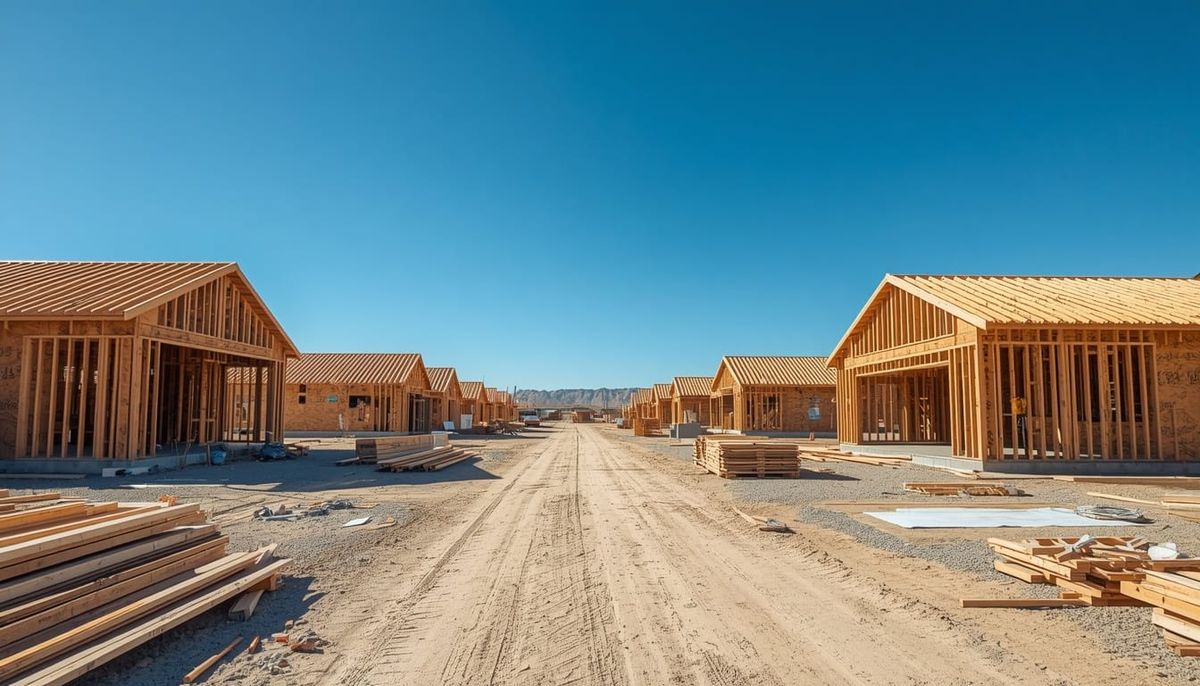
It is not just prices slowing new homes down. Behind the scenes, a deepening shortage of skilled construction workers is stretching build timelines and adding cost. If a new build is on your list, here is what that really means, and how to plan around it.
The East Valley is one of the busiest new-home markets in the country. Drive through Queen Creek, Eastmark, or the edges of Gilbert and you will see communities rising out of the desert. But if a brand-new home is on your list, here is something the glossy brochure will not mention. The homebuilding industry is short hundreds of thousands of skilled workers, and that shortage shows up in two places you care about most: how long your home takes to build, and what it costs.
Source: National Association of Home Builders and Home Builders Institute, 2026.
|
250,000
the number of construction workers the industry runs short each month, and it has been higher
|
2 months
roughly how much the labor shortage adds to a typical build timeline, raising costs along the way
|
Builders say they will need well over half a million new workers a year to keep pace with demand and chip away at a national housing gap measured in the millions. A big share of the trades that build homes are retiring faster than new workers replace them. None of that is a reason to avoid a new build. It is a reason to go in with clear expectations.
What it actually means for your purchase
Build schedules are stretching, and delays are common. Do not plan your lease-end, your move, or the sale of your current home around the builder’s most optimistic date. Build in a cushion.
Labor is one of the largest inputs in building a home, so when it is scarce and expensive, the price of new construction stays elevated. That is worth weighing against comparable resale homes.
Buying new is not the same as buying resale. A longer, less certain timeline changes how you handle your rate lock and your budget, which is exactly where planning ahead pays off.
How to plan the money side
This is where a little preparation saves a lot of stress. A few moves keep a longer build from turning into a financing scramble.
Before you sign with a builder
- Work with a lender who knows new construction, not just resale, so your financing matches a longer timeline
- Ask about longer rate-lock options built for new builds, and understand the windows and costs involved
- Compare the builder’s preferred lender against your own, incentives are nice, but only your own comparison tells you the real deal
- Build a timeline cushion into your plans for your current home, your lease, and your move
- Revisit your budget for delays, since a stretched build can bump costs, and you want no surprises at the finish
If you are buying new with your VA benefit, it absolutely works for new construction, but the timeline and the builder’s process add moving parts. The move is to line up with a lender who knows both the VA program and how new-build financing runs, so your benefit is ready when the home is. Set that up early and a longer build never catches you flat-footed.
The bottom line
The labor shortage behind the headlines is real, and it is quietly shaping every new home going up across the East Valley. It does not make new construction a bad choice. It makes preparation the difference between a smooth build and a frustrating one. Go in with a realistic timeline, financing that fits a moving target, and a lender who has done this before, and you can enjoy the best part of buying new, watching your home take shape, without the stress catching you off guard.
This article is for general educational purposes and is not a commitment to lend or financial advice. Industry figures cited reflect third-party data for the period noted. New-construction financing, rate-lock options, and terms vary by program, lender, and builder; build timelines are set by the builder and are not guaranteed. Loan approval depends on credit, income, and assets. VA loan eligibility and benefits depend on individual circumstances. CrossCountry Mortgage is a private lender and is not acting on behalf of, or at the direction of, the U.S. Department of Veterans Affairs. Equal Housing Opportunity.