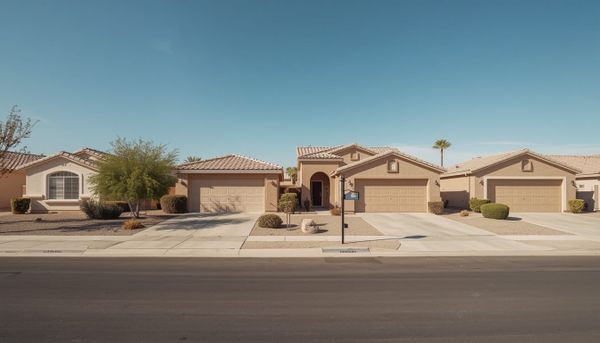
The Midyear Data Is In. For East Valley Buyers, Normalization Is Your Opening.


A national midyear review just dropped, and for East Valley buyers the takeaway is better than the headlines suggest. The market did not break, it normalized. Buyers have more choices, more time, and more negotiating power than they have had in years. The flip side is that the soft numbers in Sun Belt metros like Phoenix are real, and understanding them is exactly how a prepared buyer turns this market to their advantage.
HousingWire just published its review of the first half of 2026, distilling the national data into five clear lessons. Strip away the industry framing and a practical message emerges for anyone buying in the East Valley: this is a buyer's market in the truest sense, with leverage that simply did not exist during the pandemic frenzy. Here is what the data says, and how to use it.
The Headline for Buyers: Leverage Is Back
The single most important shift of the past few years is that buyers have regained power. Inventory has recovered dramatically from the historic lows of 2021 and 2022, homes are taking longer to sell, and sellers are making more concessions. For a buyer, every one of those facts is good news.
Compare that to the pandemic boom, when buyers waived inspections, paid well over asking, and competed against a dozen offers just to lose anyway. That market was the anomaly, not this one. Today's buyer can take time, negotiate, ask for concessions, and actually choose. That is what a healthy market looks like, and it favors the prepared.
The Five Lessons, Read Through a Buyer's Lens
For three years the fear was a crash under the weight of higher rates. It did not happen. Inventory averaged 731,069 homes in H1, well above pandemic lows, while demand stayed resilient. The result is a balanced market, not a broken one.
National headlines stopped describing any single market. Days on market ranged from as low as 14 in Rochester to 63 in Phoenix and Tampa. The lesson is direct: a national story cannot tell you what is happening on your street. Local guidance matters more than ever.
Sun Belt markets that ran red-hot, including Phoenix, are taking longer to sell and showing more price cuts than the Midwest and Northeast. This is normalization, not failure. For buyers, a market that cooled from a frenzy is precisely where leverage lives.
Since June 2022, some Midwest and Northeast metros posted strong list-price gains, while several Sun Belt metros gave back pandemic excess. The Phoenix metro's median list price sits about 11% below its June 2022 peak. Their strength is stability; ours is a reset that hands buyers room to negotiate.
New listings remain below historical norms even as more than 420,000 homes sit under contract nationally. Demand is clearly present. If listings stay constrained, today's buyer-friendly window may not stay this open, which is a reason to act while leverage is high.
About Those Soft Phoenix Numbers
Let me address the Phoenix-metro figures directly, because honesty is the whole point. Yes, homes in the Phoenix metro are taking a median 63 days to sell, and yes, the metro's median list price is down roughly 11% from its June 2022 peak. A loan officer trying to hype you would skip past that. I am not going to, because those numbers are not a warning for buyers. They are the source of your leverage.
One important clarification I owe you: those figures are for the broader Phoenix metro, not the East Valley specifically. Conditions in Gilbert, Chandler, Queen Creek, San Tan Valley, and Mesa vary by community and price point, and they do not automatically mirror the metro average. That is exactly why a local read beats a national headline, and why pinning down the numbers for your specific target area is the first move worth making.
How to Turn This Market Into Your Advantage
The throughline of the entire midyear review is that local fundamentals now matter more than national narratives. For an East Valley buyer, that is not an abstraction. It means the smartest thing you can do is stop reacting to scary national headlines and get a precise read on your target neighborhoods, your real numbers, and the concessions worth pursuing. That is where a prepared buyer, working with someone who knows the local terrain, turns a normalized market into a genuine win.
The Bottom Line for the East Valley
The first half of 2026 did not deliver a boom or a bust. It delivered something more useful for buyers: a balanced market with real leverage. Inventory has recovered, sellers are negotiating, and the frantic competition of the boom is gone. The Sun Belt's normalization, Phoenix metro included, is exactly what created that opening.
The buyers who win in this market are not waiting for a perfect headline or a magic rate. They are getting prepared, getting local, and acting while leverage is on their side. With inventory questions looming over the second half of the year, that window is worth using now. The first step is simple: get a clear, honest read on what your specific East Valley situation looks like today.
For buyers, those conditions are an advantage, not a warning. Longer days on market and a price reset from the 2022 peak mean you have negotiating power that did not exist during the frenzy: time to inspect, room to negotiate price, and leverage to ask for concessions. The data describes normalization, a return to a healthy, balanced market, not a market in trouble. For a prepared buyer, this is the kind of window worth using.
Not automatically, and that distinction matters. The roughly 11% list-price decline from June 2022 and the 63-day median time on market are Phoenix-metro figures. Conditions in Gilbert, Chandler, Queen Creek, San Tan Valley, and Mesa vary by community and price point and do not necessarily match the metro average. The clearest lesson of the midyear review is that local fundamentals beat national narratives, so the reliable answer comes from looking at your specific target area.
It means the market looks healthy again rather than frenzied. Nationally, months of inventory rose to about 2.44 in the first half of 2026, up from under one month in 2022. You have more homes to choose from, more time to make decisions, and more leverage to negotiate price and concessions. The waive-everything, pay-over-asking pressure of the pandemic boom has faded. That balance favors prepared buyers who know their numbers.
Waiting carries real risk here. New listings remain below historical norms even as hundreds of thousands of homes sit under contract nationally, so demand is clearly present. If listing activity stays constrained, today's buyer-friendly conditions could tighten. The stronger move is to use the leverage that exists now rather than betting it will improve. Getting prepared and acting while you hold the advantage tends to beat waiting for a perfect moment that may not come.
Use it to replace national fear with local facts. When clients cite scary Sun Belt headlines, explain that normalization is not weakness and that softer metro numbers translate into buyer leverage. Then point them to what actually decides outcomes: their specific neighborhood and their real numbers. Clients who understand they hold the advantage act with confidence. Partnering with a lender who reads the local data honestly turns that clarity into closings.
More inventory, more concessions, more room to negotiate. Get pre-approved and find out exactly what your target East Valley neighborhood looks like today, before the window tightens.
GET PRE-APPROVEDHelp clients see past national fear to local opportunity. Partner with a lender who reads the data honestly and turns normalization into confident, prepared buyers across the East Valley.
PARTNER WITH JOHNCrossCountry Mortgage, LLC. Equal Housing Lender. NMLS #3029. This is not a commitment to lend. All loans subject to credit and property approval. Inventory, days-on-market, and list-price figures are from HousingWire Data as reported June 2026 and reflect national and Phoenix-metro data, not East Valley-specific figures; local conditions vary by community and price point. Not financial advice.