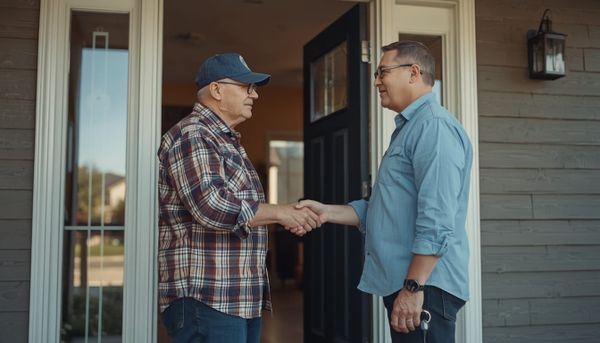
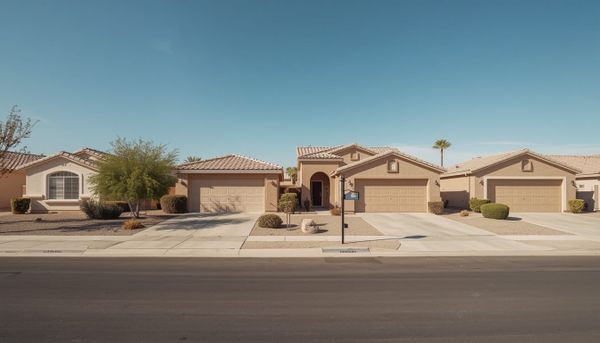
The Home They Earned: A Veteran's Honest Guide to Aging in Place in the East Valley.

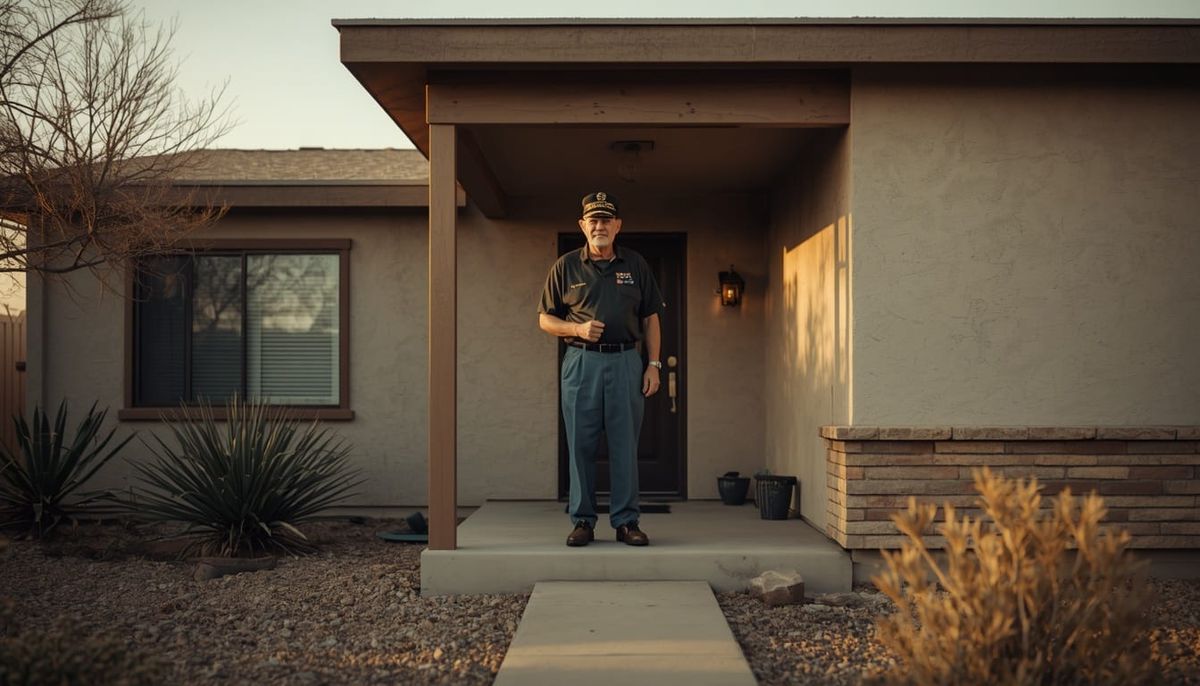
Most veterans want the same thing as they age: to stay in the home they earned, with dignity and independence. Yet many are one preventable barrier, a needed repair or an accessibility modification, away from losing that stability. The encouraging part is that real options exist, from VA adaptation grants to home equity strategies. Here is the honest map for East Valley veterans and the families who help them.
There is a quiet crisis in veteran housing that rarely makes headlines: the veteran who owns a home, wants to stay in it, and is slowly being pushed out by something fixable. A roof that needs repair. A bathroom that is no longer safe. Stairs that have become a daily hazard. A recent analysis argued that veteran housing policy needs a preservation strategy, a focus on helping veterans keep and adapt the homes they already have. For East Valley veterans, that idea matters, because the tools to do it exist right now.
What Veterans Actually Want: To Stay Home
The data is consistent: the overwhelming majority of older veterans, like older Americans generally, want to age in place rather than move to assisted living or relocate to family. For veterans with deep ties to their homes and communities, the desire is especially powerful. But wanting to stay and being able to stay are two different things. Aging in place safely often requires the home itself to change, and those changes cost money many veterans on fixed incomes do not have on hand.
The modifications that keep a home livable are not luxuries. Grab bars and walk-in showers, wheelchair ramps and widened doorways, better lighting, sometimes a first-floor bedroom or stair lift. These changes are the difference between staying independent and being forced out of the home they fought to own. The good news: there is more than one way to pay for them.
Two Paths to Fund Aging in Place
For an East Valley veteran homeowner, funding these changes usually comes down to two broad paths, and the smartest plans often combine them. One path is government assistance built specifically for veterans. The other is the equity already sitting in the home. Let me lay both out honestly, side by side.
Money you do not repay, for those who qualify.
The VA offers Specially Adapted Housing (SAH) and Special Housing Adaptation (SHA) grants to help eligible veterans with service-connected disabilities modify a home for accessibility, plus Home Improvements and Structural Alterations (HISA) grants for certain medically necessary changes.
The catch: eligibility is specific, often tied to service-connected disability, and amounts and rules change. These are VA programs, not something a lender hands out. Confirm current eligibility directly with the VA.
Best for: veterans with qualifying service-connected disabilities.
Tapping the value you have already built.
Many East Valley veterans have substantial equity after years of ownership. A VA cash-out refinance can convert some into funds for repairs and modifications. For homeowners 62 and older, a reverse mortgage can access equity without a required monthly payment, which can help those on a fixed income.
The catch: these add to or restructure the debt on your home and are not right for everyone. A reverse mortgage especially must be weighed against your long-term goals and heirs.
Best for: veterans with meaningful equity who do not qualify for full grant funding.
Neither path is automatically better. Grants are remarkable when a veteran qualifies, because the money is not repaid. But not every veteran has a qualifying service-connected disability, and grants may not cover everything. That is where home equity becomes a practical bridge, and where the two paths often work together: a grant covers part, equity covers the rest.
A Closer Look at the Equity Options
Because the equity path is the one most veterans have not fully explored, it deserves a clear, balanced explanation. Two main tools serve different situations.
I want to be direct about the reverse mortgage, because it is too often pitched aggressively to older homeowners. It is a legitimate, federally regulated tool that genuinely helps some veterans stay home. It is also the wrong choice for others. Anyone who pressures a veteran toward it without walking through the tradeoffs, the effect on heirs, and the alternatives is doing it wrong. The honest approach is to put it on the table as one option, explain it plainly, and let the veteran and their family decide.
How East Valley Veterans Should Approach This
If you are an East Valley veteran thinking about aging in place, or a family helping one, here is the sensible order of operations. It keeps you from leaving free money on the table or rushing a financing decision.
This is planning where a guide who understands both the veteran benefit landscape and the financing side genuinely matters. As a veteran myself, serving the East Valley since 2002, this is personal. Helping a fellow veteran stay in the home they earned, every tool available and no pressure, is exactly the work worth doing.
The Bottom Line for East Valley Veterans
The veterans who age in place successfully learn their options before a barrier becomes a crisis. The tools are real: VA adaptation grants for those who qualify, and home equity strategies for those who need them, often best in combination. None of it requires waiting for new legislation. It requires a clear-eyed look at what you qualify for and what your home can do for you.
If staying in your East Valley home with dignity and independence is the goal, the most useful first step is simply understanding the full picture, the grants, the equity, and how they fit together for your specific situation. That conversation costs nothing and can change everything about how the years ahead look.
The VA offers grants designed to help eligible veterans adapt their homes for accessibility, including Specially Adapted Housing (SAH), Special Housing Adaptation (SHA), and Home Improvements and Structural Alterations (HISA) for certain medically necessary changes. These are grants you generally do not repay, but eligibility is specific and often tied to service-connected disability, and amounts and rules change over time. The best step is to confirm your current eligibility and the available amounts directly with the VA.
That is exactly where home equity options come in. Many East Valley veterans have built substantial equity over years of ownership. A VA cash-out refinance can turn some of that equity into funds for repairs and accessibility modifications, and for homeowners 62 and older, a reverse mortgage can access equity without a required monthly mortgage payment. The right choice depends on your age, income, equity, and long-term goals, which is why an honest side-by-side comparison matters.
A reverse mortgage is a legitimate, federally regulated tool that can genuinely help some homeowners 62 and older stay in their homes by accessing equity without a monthly mortgage payment. It is not right for everyone, though. It reduces the equity left to heirs and carries obligations like keeping current on property taxes, insurance, and maintenance. It deserves a careful, pressure-free conversation that weighs the tradeoffs and alternatives. Anyone pushing it on you without that honest discussion is not serving you well.
Often, yes, and it can be the smartest approach. A VA adaptation grant may cover part of the cost of modifications for those who qualify, and home equity through a cash-out refinance or, for those 62 and older, a reverse mortgage can cover the rest. Combining them can get a home fully adapted for aging in place without overextending a fixed income. The key is mapping out what the grant covers first, then using equity strategically for the gap.
Help them plan before a barrier becomes a crisis. Encourage clients to confirm VA grant eligibility early, get a clear read on their home equity, and weigh the financing tools honestly, including the tradeoffs of a reverse mortgage on their estate and heirs. Pairing your guidance with a lender who knows both the veteran benefit landscape and the financing side, and who approaches it without pressure, gives your clients a complete, trustworthy plan for aging in place with dignity.
Whether through VA grants, a VA cash-out refinance, or a reverse mortgage at 62+, let's find the honest path to adapt your East Valley home and age in place with independence.
START THE CONVERSATIONYour veteran clients deserve a complete, pressure-free plan for aging in place. Partner with a veteran lender who knows the grants and the equity tools across the East Valley.
PARTNER WITH JOHNCrossCountry Mortgage, LLC. Equal Housing Lender. NMLS #3029. This is not a commitment to lend. All loans subject to credit and property approval. VA grant programs (including SAH, SHA, and HISA) are administered by the U.S. Department of Veterans Affairs, not by CrossCountry Mortgage; eligibility, availability, and amounts are determined by the VA and subject to change, so verify current details at va.gov. A VA cash-out refinance secures additional debt against your home. A reverse mortgage is a complex financial product with ongoing obligations including property taxes, insurance, and maintenance; it reduces home equity available to heirs and is not suitable for everyone. Reverse mortgage borrowers must be 62 or older. This material is not financial, tax, or legal advice; consult appropriate professionals and the VA. Source: HousingWire, June 2026, and AARP survey research.