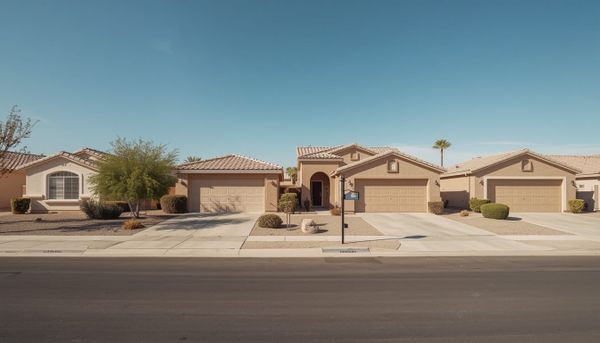
Making Room for Family: Financing a Multigenerational Home in the East Valley.


More families are living under one roof, by choice and by design. Aging parents move in, adult children stay longer, and households pool their resources to buy more home together. It is one of the fastest-growing shifts in how Americans live, and it changes how you finance a home. Here is how East Valley families are making room for everyone, and the loan strategies that make it work.
The single-family home built for one nuclear family is no longer the only model, and in many East Valley households it is not even the most practical one. Multigenerational living, where two or more adult generations share a home, has become one of the most significant shifts in American housing. Aging parents are moving in with their adult children. Adult children are staying home longer or returning. Families are pooling incomes to afford more space together. Whatever the reason, the result is the same: a growing number of families need a home that works for everyone, and a financing plan to match. That second part is where many families get stuck, and it is exactly where the right guidance pays off.
Why Multigenerational Living Is on the Rise
This is not a passing trend. Several forces are pushing more families toward shared living, and understanding them helps explain why demand for flexible, multigenerational-friendly homes keeps climbing in the East Valley.
The common thread is flexibility. The home that serves a multigenerational family is one with room to adapt: a private suite for grandparents, a separate space for an adult child, or a layout that gives everyone both togetherness and privacy. That kind of home is in real demand, and financing it well is what turns the idea into reality.
What Makes a Home Multigenerational-Ready
Before the financing conversation, it helps to know what families actually look for. A multigenerational-friendly home is not necessarily bigger for the sake of size. It is smarter in how the space works.
The East Valley is well suited to this. Many homes here, especially in communities across Gilbert, Chandler, Queen Creek, and San Tan Valley, were built with the kind of flexible floor plans, single-level living, and casita options that multigenerational families value. The supply is here. The key is financing the right one.
How Families Finance a Multigenerational Home
This is where families most often need a guide, because the financing for a multigenerational home has more moving parts than a standard purchase. The good news is there are several proven paths, and the right one depends on your family's situation. Here are the main strategies worth understanding.
Notice the theme: a multigenerational purchase is rarely a one-size-fits-all loan. It is a plan, often combining elements above, built around who is in the family, what they own, and what they want for the years ahead. That is why this is a conversation, not a checkbox.
What This Means for East Valley Families
If your family is considering bringing generations under one roof, you are part of a major shift, and the East Valley is a strong place to do it. The homes here often suit multigenerational living, and the financing tools to make it work are real and accessible with the right guidance. The mistake families make is treating it like an ordinary purchase and missing the strategies that could make it far more affordable and sustainable.
The smarter path is to start with a financing conversation before you fall in love with a specific home. Understanding what your family can do together, how to combine incomes or equity, and which loan structure fits, turns a complicated decision into a clear plan. Done right, a multigenerational home is not just practical. It is a way to keep family close, share life's costs and joys, and build equity together.
Yes, in many cases multiple family members can be on the same loan, and their combined income can be considered to support the purchase. This is one of the most powerful aspects of buying a multigenerational home, since pooled income can unlock a home that no single person could finance alone. The specifics, including who is on the loan and the title and how responsibility is shared, matter a great deal and vary by situation. Mapping this out with a lender early ensures the structure works for everyone involved.
Parents who own a home may be able to use its equity as part of a family plan, whether through a cash-out refinance, a home equity line, or, for those who qualify, a reverse mortgage. These funds can sometimes help fund a shared home or adapt space for the family. Each option works differently and secures debt against the home or affects the estate, so they should be considered carefully and personally. A lender can walk your family through which approach, if any, fits your overall goals.
A reverse mortgage is a loan that lets eligible homeowners, generally aged 62 and older, convert part of their home equity into funds without a required monthly mortgage payment, with the balance generally repaid when the home is sold or the borrower no longer lives there. It can be part of a multigenerational strategy, but it carries specific eligibility rules, mandatory counseling, ongoing obligations like taxes and insurance, and long-term effects on the estate. Because of that, it requires careful, individualized guidance to determine whether it makes sense for your family.
Look for flexibility rather than just size. Helpful features include a private bedroom and bathroom for grandparents or an adult child, a main-floor bedroom to reduce stairs, a flexible bonus room that can change roles over time, and a casita or guest suite with some separation or a private entrance. Many East Valley communities, including in Gilbert, Chandler, Queen Creek, and San Tan Valley, offer homes with exactly these kinds of layouts, which is part of what makes the area well suited to multigenerational living.
Multigenerational purchases sit at the intersection of housing, finance, and family planning, so these clients benefit from coordinated guidance. Encourage them to align the financing strategy with their broader goals early, before committing to a home, since how they combine incomes, equity, and loan programs can significantly affect what is possible. Partnering with a lender experienced in multigenerational and senior financing helps your clients structure the purchase wisely and protects the family and estate considerations you and your fellow advisors are managing.
Aging parents, adult children, pooled resources. Let's find the financing strategy that brings your generations together in the right East Valley home, built around your family's goals.
START YOUR PLANMultigenerational and senior financing needs coordinated guidance. Partner with a lender who structures these purchases wisely and protects the family and estate picture across the East Valley.
PARTNER WITH JOHNCrossCountry Mortgage, LLC. Equal Housing Lender. NMLS #3029. This is not a commitment to lend. All loans subject to credit and property approval. Loan program availability, eligibility, and terms vary by borrower and are not guaranteed. A cash-out refinance or home equity line secures additional debt against your home. Reverse mortgages are available to eligible homeowners generally aged 62 and older, require HUD-approved counseling, carry ongoing obligations including property taxes, homeowners insurance, and maintenance, and affect home equity and the estate; they are not suitable for everyone. VA loan eligibility is determined by the U.S. Department of Veterans Affairs. This material is not financial, tax, or legal advice; consult appropriate professionals.