Should I Buy an Older Home, and How Do I Budget for One?

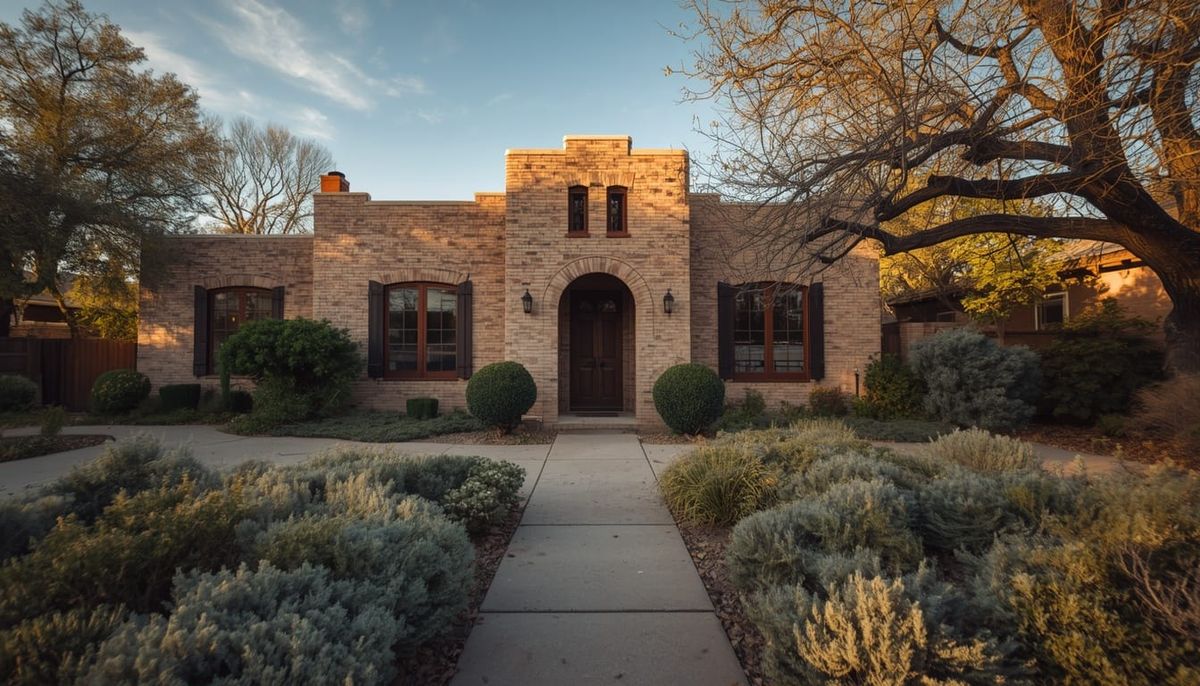
Short answer: an older home can be a smart, affordable buy, often with more character and a lower price, as long as you look past the cosmetics, inspect the big systems, and budget a real cushion for surprises behind the walls. The right financing can even roll repairs into your loan. Here is how to do it wisely.
Here is the direct answer: yes, an older home can be a genuinely smart buy, and often a more affordable one, but only if you go in with your eyes open. The typical American home is now around 44 years old, so older houses are everywhere, and many are full of character and value. The catch is that around the four-to-five-decade mark, the big systems start reaching the end of their life, and a fresh coat of paint can hide a lot. Buy one smartly, budget a real cushion, and the right financing can even roll the repairs into your loan. Here is how to do it well.
What actually wears out in an older home?
Older homes rarely fail all at once. It is the major systems, the expensive ones, that quietly age toward replacement. Know this list before you fall in love with the kitchen.
The big-ticket systems to check first
- Roof, the first defense, and costly to replace
- HVAC, heating and cooling near end of life
- Plumbing, older pipes may need replacing
- Electrical panel, may not meet a modern home’s demands
- Windows, older ones cost you in comfort and energy
- Foundation, the one you least want to overlook
A house can look move-in ready and still be aging badly underneath. Fresh paint and an updated kitchen can sit right on top of old wiring, tired plumbing, or a tired roof. Look past the finishes to the systems that actually cost money.
Older homes can hide code issues, and sometimes the surprise is not even inside. Outdated wiring or plumbing may need upgrading to serve a modern household, and once in a while even exterior details turn up something unexpected. It pays to look everywhere.
How do I avoid a money pit?
The difference between a smart old-home buy and a regret usually comes down to two habits and one budgeting rule. Do these and you remove most of the risk.
Never skip it on an older home. A good inspector surfaces the aging systems and hidden issues that decide whether a house is a deal or a trap. This is money well spent every time.
Check what work has actually been permitted over the years. A home with no permitted work in decades often signals deferred maintenance hiding throughout, sometimes telling you more than the inspection alone.
Once you open the walls, surprises are almost a given. Experienced renovators build in a meaningful buffer on top of the visible work, especially on very old homes. Plan for the unexpected and it stops being a crisis.
What is the upside of buying older?
With the cautions covered, here is why older homes are worth your attention, and where the opportunity really is.
Older homes often carry craftsmanship and charm you cannot get in new construction, and they frequently come at a lower entry price. For a first-time buyer, that can be the difference between owning and waiting.
Buy at the right price and improve the home thoughtfully, and you can build real equity as you go. For investors, a sound older home bought carefully and renovated on budget can be a genuine opportunity, though returns are never guaranteed and the numbers have to work.
You can finance the repairs, not just the purchase
Here is the part many buyers do not know. There are renovation loan programs that let you roll the cost of repairs and updates into your mortgage, so you can buy an older home and fund the work it needs with a single loan, rather than draining your savings or juggling separate financing. That changes the math on an older home entirely, and it is exactly the kind of strategy I help East Valley buyers and investors put together.
If you are a veteran eyeing an older home, your VA benefit can be part of the plan, and in the right cases there are renovation-friendly options worth exploring so the home meets requirements and your needs. The same discipline applies: inspect, budget the cushion, and finance it smartly. Bring me the property and I will help you map whether it works.
To keep the lanes clear: a licensed inspector evaluates the home’s condition, a licensed contractor scopes and prices the actual work, and your real estate agent handles value and the offer. My job is the financing, including renovation loans that fold repairs into your mortgage, so an older home’s potential is something you can actually fund. Start that with our East Valley mortgage team.
The bottom line
With the typical home now decades old, older houses are a big part of the market, and they can be a smart, affordable, character-rich buy. The key is discipline: look past the cosmetics to the roof, systems, and foundation, get an inspection, pull the permit history, and budget a real cushion for what hides behind the walls. Then finance it right, because renovation loans can roll the repairs into your mortgage. Map that plan with our East Valley mortgage team, and turn an older home’s potential into your advantage, right here across the East Valley.
Is buying an older home a bad idea?
Not at all. Older homes are common, since the typical American home is now around 44 years old, and they often offer character and value at a lower price. The key is to inspect the major systems, check the permit history, and budget a cushion for repairs rather than judging by cosmetics.
What should I check before buying an older home?
Focus on the big-ticket systems: roof, HVAC, plumbing, electrical panel, windows, and foundation. Get a thorough inspection, and pull the property's permit history, since a long gap in permitted work can signal deferred maintenance hiding behind fresh finishes.
How much extra should I budget for an older home?
Beyond the visible work, build in a meaningful contingency buffer, because surprises are common once walls are opened. Experienced renovators budget a healthy cushion on older homes, especially the oldest ones, so an unexpected repair does not derail the project.
Can I get a loan to fix up an older home?
Often, yes. Renovation loan programs can roll the cost of repairs and updates into your mortgage, letting you buy an older home and fund the work with a single loan instead of separate financing. A lender can walk you through the options you qualify for.
Are older homes a good investment?
They can be, if you buy at the right price, inspect carefully, and control renovation costs. A sound older home bought and improved thoughtfully can build equity, but returns are never guaranteed, so the numbers have to work before you commit.


This article is for general educational purposes and is not financial, investment, or construction advice, and is not a commitment to lend. General observations and statements attributed to third-party experts reflect a published article and are paraphrased for context; those individuals and their companies are not affiliated with and do not endorse CrossCountry Mortgage or the author. Home condition, repair scope, and renovation costs vary widely by property and should be evaluated by a licensed home inspector and licensed contractor; real estate investing carries risk, including the potential loss of principal, and returns and future equity are not guaranteed. Renovation loan and other program availability, terms, and eligibility depend on the property, its condition, and program guidelines, which vary and are subject to change; not all borrowers or properties will qualify, and getting pre-approved does not guarantee loan approval. Consult a licensed real estate agent regarding home value. VA loan and any renovation-option eligibility depend on individual circumstances and VA requirements. CrossCountry Mortgage is a private lender and is not acting on behalf of, or at the direction of, the U.S. Department of Veterans Affairs. Equal Housing Opportunity.