New Homes Are Getting Smaller. How Do I Buy Smart Anyway?

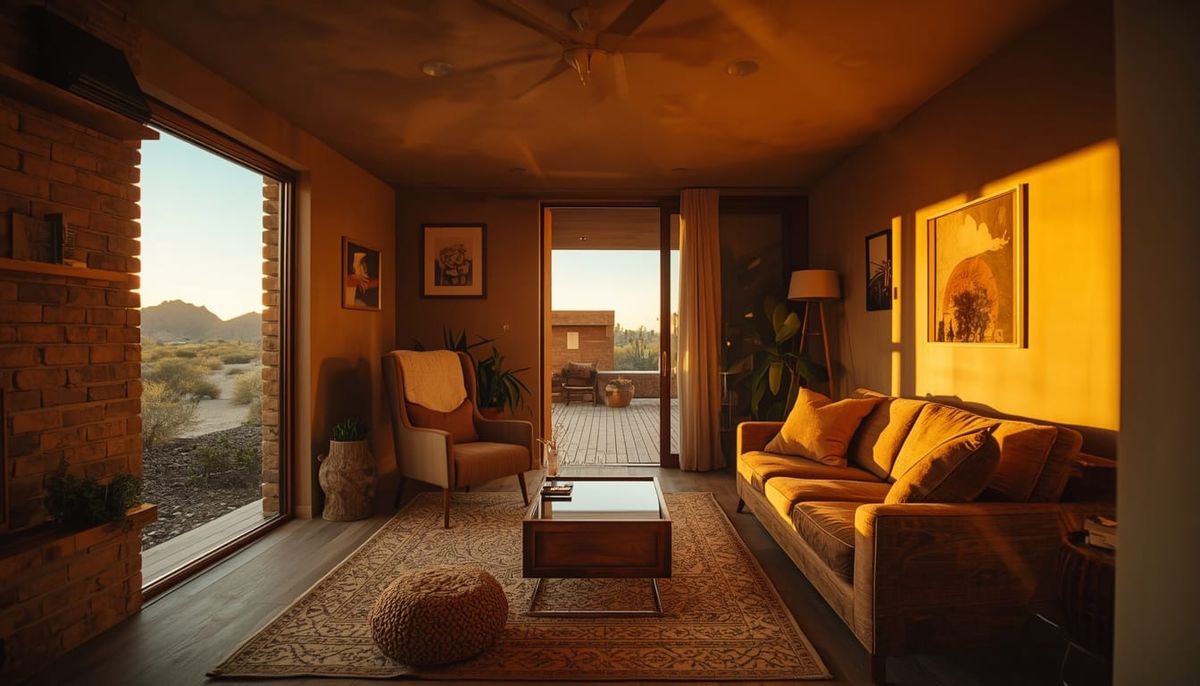
Short answer: focus on fit and function, not raw square footage. Builders are designing more compact homes to keep prices within reach, so you may get less space per dollar than a decade ago. But a well-chosen smaller home can fit your life and your budget beautifully. Here is how to buy it wisely.
Here is the direct answer: yes, new homes have been getting smaller, a trend some are calling shrinkflation in housing, the same way a cereal box quietly shrinks while the price does not. Builders have been designing more compact homes to keep prices within reach as their own costs climb, which means today’s buyer often gets less space per dollar than a buyer did a decade ago. That sounds discouraging, but here is the part the headlines miss: a smaller, well-designed home is not a consolation prize. For many buyers, especially first-time buyers, right-sizing into an efficient home that fits your real life is a genuinely smart, affordable move. The key is knowing how to judge these homes well. Here is how.
Why are new homes getting smaller?
It is not random, and it is not builders shortchanging you for sport. It comes down to a simple pressure.
As land, labor, and materials have grown more expensive, builders have leaned toward more compact homes to keep the price tag within reach for buyers. Smaller footprints are one way to keep new homes attainable.
The honest tradeoff is that the cost of each square foot has risen, so today’s buyer generally gets less raw space for the money than a buyer did years ago. Knowing that helps you shop with clear eyes.
This is not only about cost. Households have gotten smaller, and many buyers now actively prefer an efficient, functional layout over maximizing square footage. Right-sizing has become a real, growing choice.
Is a smaller home actually a bad deal?
Not necessarily, and often the opposite. The sticker focus on square footage hides some real advantages that show up month after month.
The quiet upside of a smaller home
- It typically costs less to heat and cool
- It is cheaper to furnish and to maintain
- Repairs and upkeep tend to run lower
- A lower price can mean a smaller down payment and a more comfortable monthly payment
- Those recurring savings add up, especially when your budget is already stretched by taxes and insurance
As one consumer finance analyst put it, those ongoing savings on a smaller home can be a big deal, particularly for first-time buyers whose budgets are already working hard. A smart compact home can leave you more breathing room in real life, which is worth far more than square footage you rarely use.
How do I buy a smaller home the smart way?
The trick is to shop for fit and function, not a number on a listing. Here is how to judge a compact home well.
A well-designed compact home can feel larger and work better than a bigger, poorly laid-out one. Walk it through your real routine and see how the space actually functions for you.
Smart storage, flexible rooms, and a good flow can deliver everything you need without wasted space. Efficiency often beats sheer size for everyday living.
Factor the ongoing savings on energy, upkeep, and furnishing into your decision, not just the purchase price. A smaller home can be easier to own, not just to buy.
Buying more square footage than your life requires stretches your budget for little real benefit. Match the home to how you actually live, a theme we explore in our guide on buying the fit, not the fantasy.
Plenty of smart compact options close to home
This trend is very much alive in our fast-growing new-build communities across Queen Creek, San Tan Valley, and the Eastmark area, where builders are offering efficient, right-sized homes designed for today’s budgets, and in established neighborhoods around Gilbert, Chandler, and Mesa. For a first-time or value-focused East Valley buyer, that means real, attainable options, if you shop for fit. Our guide on whether new construction is a smart move right now pairs well with this.
If you are a veteran, a right-sized home pairs perfectly with your VA benefit. Buying an efficient home with no down payment required, and lower ongoing costs to boot, is a disciplined, smart way to own without overextending. Let us find the fit that serves your life and your budget.
To keep the lanes clear: evaluating a home’s layout, quality, and value, and finding the right community, is your real estate agent’s expertise. My job is the financing side, showing you honestly how a compact home’s lower price and carrying costs shape a comfortable payment, so you buy the right-sized home with confidence. Start that with our East Valley mortgage team, and see our guide on which home loan is right for a first-time buyer.
The bottom line
New homes are trending smaller as builders work to keep prices attainable, and while you may get less space per dollar, a well-chosen compact home can be a genuinely smart buy. It often costs less to run and maintain, fits smaller modern households, and can leave you more comfortable month to month. Shop for fit and function over raw size, weigh the lower carrying costs, and do not overpay for space you will not use. Find the right-sized home for your life and budget with our East Valley mortgage team, right here across the East Valley.
Why are new homes getting smaller?
Builders have been designing more compact homes to keep prices within reach as land, labor, and material costs rise. Smaller footprints help keep new homes attainable. Smaller households and a growing preference for efficient layouts over raw square footage are also driving the trend.
Is buying a smaller home a bad deal?
Not necessarily. While the cost per square foot has risen, a smaller home often costs less to heat, cool, furnish, maintain, and repair, and its lower price can mean a smaller down payment and more comfortable monthly payment. Those recurring savings can outweigh having less space.
What is housing shrinkflation?
It is the trend of new homes getting smaller while prices stay high or rise, similar to how packaged goods shrink while their price holds. In housing, it reflects builders designing more compact homes to keep the overall price attainable as their costs increase.
How do I buy a smaller home the smart way?
Judge the home by how it lives and functions for your routine rather than by square footage alone, value efficient layouts and smart storage, factor in the lower ongoing carrying costs, and avoid overpaying for space you will not actually use.
Are smaller new homes available in the East Valley?
Yes. Fast-growing new-build communities around Queen Creek, San Tan Valley, and the Eastmark area, along with established neighborhoods in Gilbert, Chandler, and Mesa, offer efficient, right-sized homes designed for today's budgets, which can be strong options for first-time and value-focused buyers.


This article is for general educational purposes and is not financial advice or a commitment to lend. General observations about home sizes, building trends, and ownership costs reflect recent third-party analysis, are paraphrased and generalized for context, vary by home, market, and household, and are not guarantees; actual costs and savings depend on the specific property and circumstances. Home size, layout, quality, and value should be evaluated with a licensed real estate agent. Loan approval depends on credit, income, and assets, and getting pre-approved does not guarantee loan approval. VA loan eligibility and benefits depend on individual circumstances. CrossCountry Mortgage is a private lender and is not acting on behalf of, or at the direction of, the U.S. Department of Veterans Affairs. Equal Housing Opportunity.



