How Much Is My Everyday Spending Shrinking the Home I Can Buy?

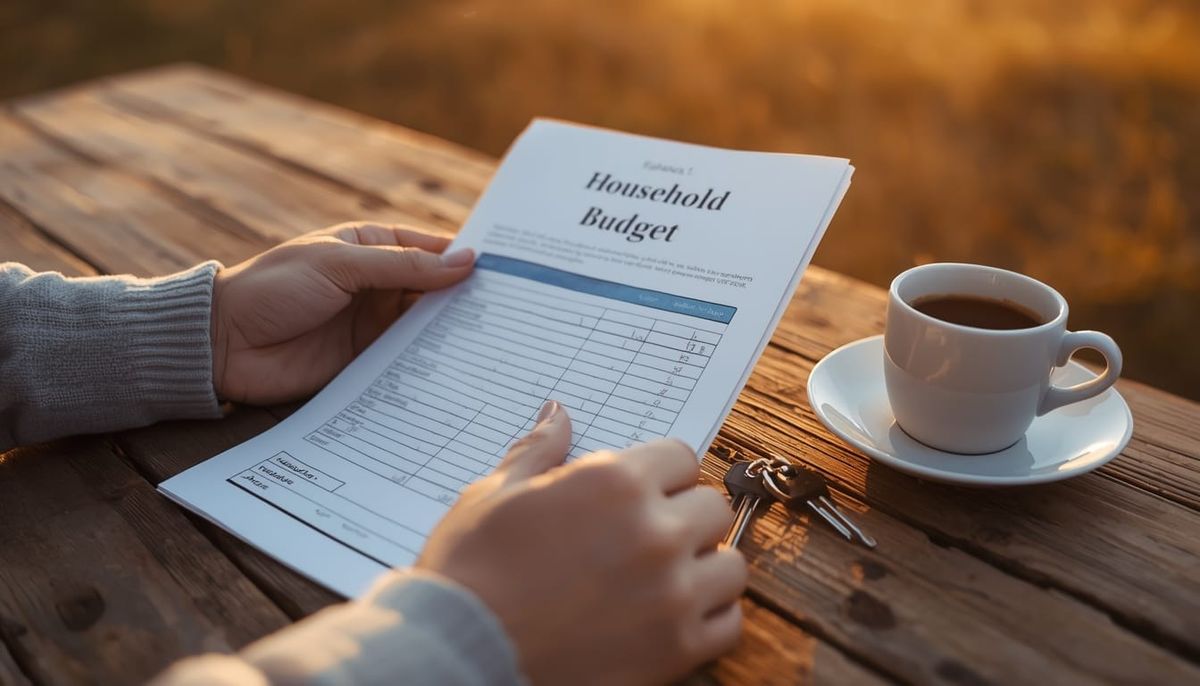
Short answer: probably more than you think. Big recurring payments lower how much you qualify for, and steady discretionary spending drains the savings you will need. The good news is that a few honest tweaks before you shop can meaningfully grow your buying power. Here is how to find and fix the leaks.
Here is the direct answer: the way you spend money month to month has a bigger effect on the home you can buy than almost anything else you control, and most first-time buyers never realize it until a lender points it out. It works two ways at once. Your recurring monthly commitments, a car payment, subscriptions, and other fixed obligations, directly lower the amount a lender will approve you for. And at the same time, everyday discretionary spending quietly drains the savings you will need for a down payment, closing costs, and the cushion every homeowner should have. The encouraging news is that both of these are within your control, and a few honest adjustments before you shop can noticeably grow your buying power. Here is how to find and fix the leaks.
How does my spending affect what I can buy?
There are two separate effects, and understanding both is the key. One shapes what a lender will approve, the other shapes whether you are actually ready.
Lenders weigh your monthly debts against your income. Big fixed payments, a car loan being the classic example, reduce the mortgage payment you can be approved for. Trade a large payment for a smaller one, or clear it, and your buying power can rise.
Separately, steady spending on things you may not even notice quietly eats the savings you need for a down payment, closing costs, and reserves. Money leaking out each month is money not going toward your home.
The leaks that surprise people most
- A large car payment, often the single biggest drag on buying power
- A pile of monthly subscriptions you have stopped noticing
- A steady app, gaming, or in-app-purchase habit
- Frequent dining out and delivery that adds up fast
- Buy-now-pay-later balances and other small recurring commitments
None of this is about shame, everyone has their spending vices. It is about awareness. When buyers actually add up a recurring habit or an oversized car payment, they are often shocked to see how much more home that money could have supported. Small monthly leaks, seen clearly, turn into real square footage.
Qualifying for more versus comfortably affording it
Here is a distinction that protects you. The maximum a lender will approve and the payment you can comfortably live with are two different numbers, and your spending habits sit right between them.
Owning a home also comes with costs renters never see, a water heater that fails, a repair that cannot wait. Overspending right up to your limit leaves you exposed when those arrive. A cushion is not optional; it is part of being ready. We dig into that full picture in our guide on why buying can feel unaffordable even in a strong economy.
How do I strengthen my position before I shop?
You do not need a dramatic lifestyle overhaul. A few deliberate moves in the months before you buy can make a real difference.
List every fixed and subscription payment and every steady discretionary habit. Seeing them in one place is often the wake-up call, and the map for where to trim.
The classic mistake is financing a new car right before applying, which can shrink your approval overnight. Hold off on large new commitments until after you close.
Money you free up can go toward your down payment, closing costs, and reserve cushion. Even modest monthly redirection adds up over the months before you buy.
Work with a lender to see both what you qualify for and what feels comfortable, then aim for the latter. That is exactly the kind of honest planning I do with buyers.
If you are a veteran, you already understand discipline, and this is where it pays off directly. Tightening a few habits before you buy, paired with your VA benefit’s no-down-payment advantage, can put a stronger home well within reach. Let us look at your numbers and build a simple plan to maximize your buying power.
To keep the lanes clear: finding the right home is your real estate agent’s expertise, and deep debt or budgeting challenges may be worth a conversation with a financial counselor, since nothing here is financial advice. My lane is showing you your real qualifying picture, how your spending shapes it, and a clear plan to strengthen your buying power before you shop. Start that with our East Valley mortgage team, and see our guides on how your credit score affects buying and whether you are really priced out.
The bottom line
Your everyday spending shapes your buying power in two ways: recurring debts lower what you qualify for, and discretionary spending drains the savings and cushion you need. Both are in your control. Review your commitments, avoid new big payments before you buy, redirect the savings toward your home, and aim for a comfortable payment rather than your maximum. A few honest tweaks can grow the home you can buy. Build that plan with our East Valley mortgage team, right here across the East Valley.
How does my spending affect how much house I can buy?
Two ways. Recurring monthly debts like a car payment or subscriptions lower the mortgage amount a lender will approve, and everyday discretionary spending drains the savings you need for a down payment, closing costs, and reserves. Both directly shrink your buying power, and both are within your control.
What spending habits hurt my buying power the most?
A large car payment is often the single biggest drag, followed by stacked subscriptions, steady app or gaming spending, frequent dining and delivery, and small recurring commitments like buy-now-pay-later balances. Individually they seem minor, but together they can add up to meaningful home value.
Should I buy a home at the maximum I qualify for?
Usually not. The maximum a lender approves and the payment you can comfortably live with are different numbers. Reaching for the ceiling can leave you house-poor with no cushion for life or surprise home costs. Aiming for a comfortable payment is the healthier, safer choice.
What should I avoid doing before applying for a mortgage?
Avoid taking on new large payments, especially financing a new car, right before or during the buying process, since that can shrink your approval quickly. Hold off on big new commitments until after you close, and keep your recurring spending steady while your loan is in process.
How can I improve my buying power before I shop?
Review every recurring and discretionary payment honestly, trim what you can, avoid new big payments, and redirect the freed-up money toward your down payment and reserve cushion. Then work with a lender to learn both your maximum and your comfortable number, and aim for comfortable.


This article is for general educational purposes and is not financial or budgeting advice or a commitment to lend. How spending, debts, and savings affect loan qualification depends on your full financial picture, lender guidelines, and program requirements, which vary and are subject to change; getting pre-approved does not guarantee loan approval. For significant debt or budgeting challenges, consider consulting a qualified financial counselor. General observations reflect common lending principles and a published interview and are paraphrased for context. Home selection should be handled with a licensed real estate agent. VA loan eligibility and benefits depend on individual circumstances. CrossCountry Mortgage is a private lender and is not acting on behalf of, or at the direction of, the U.S. Department of Veterans Affairs. Equal Housing Opportunity.



