Does the Bank Own My Home If I Get a Reverse Mortgage?

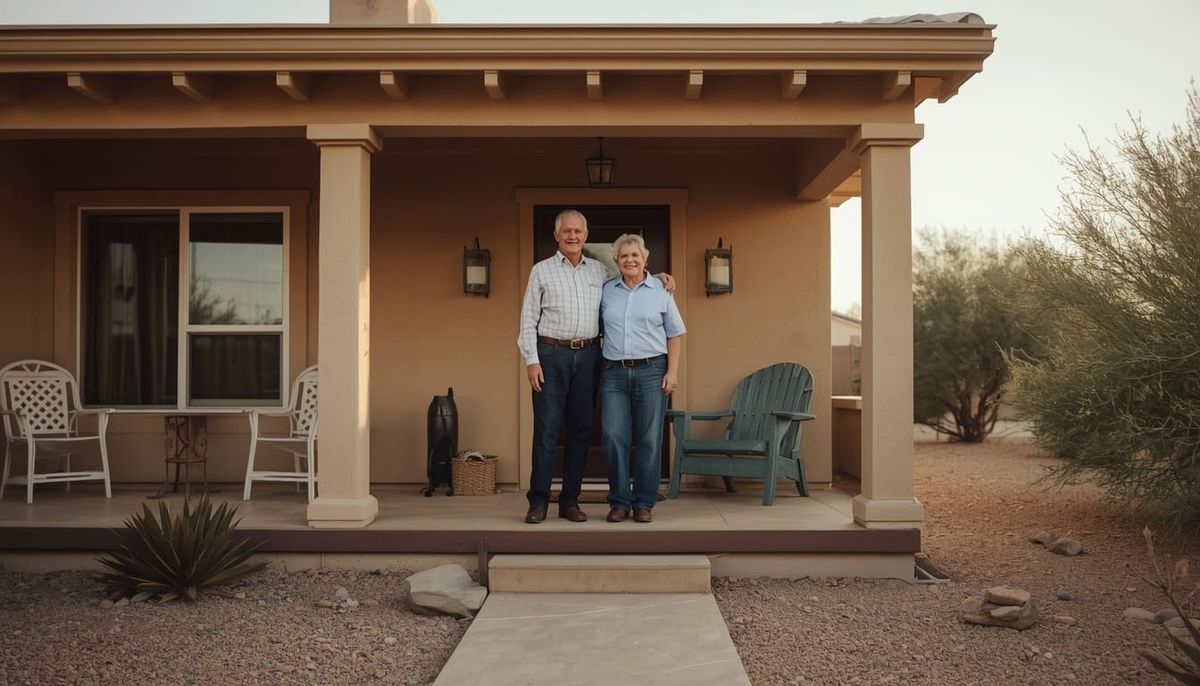
Short answer: no. With a reverse mortgage you keep the title and you still own your home, just like with a regular mortgage. The bank places a lien, not ownership. The real difference is that the money can flow to you. Here is how it actually works, explained straight and without pressure.
Here is the direct answer, plainly: no, a reverse mortgage does not hand your home over to the bank. This is the single biggest fear people have about reverse mortgages, and it simply is not how they work. With a reverse mortgage you keep the title to your home and you remain the owner, exactly as you do with a traditional mortgage. The lender places a lien, the same kind of claim any mortgage lender has, but a lien is not ownership. The genuine difference is the direction the money moves: instead of you making a monthly payment to a lender, a reverse mortgage can turn some of the equity you have built into money that flows to you. Let me walk through exactly how it works, honestly and with no pressure, so you can decide for yourself whether it even makes sense for you.
So what is a reverse mortgage, really?
In plain terms, it is a loan available to homeowners age sixty-two and older that lets you access part of your home’s equity without having to make a monthly mortgage payment. Here is what that means.
You borrow against the equity you have built, and the lender secures it with a lien, just like a regular mortgage. You keep the title and stay the owner the entire time.
You may be able to take the funds as a lump sum, a line of credit, or regular monthly amounts, depending on what fits your situation. There is no required monthly mortgage payment.
The most common type is a federally insured loan for older homeowners with meaningful equity who want to stay in their home. How much you can access depends on your age, your home’s value, and other factors, something to review individually, never assume.
A lien is not ownership
Think about your current or past mortgage. The lender had a lien on your home, yet you owned it, you could live in it, improve it, and sell it. A reverse mortgage works the same way. The lender does not take title, does not own your home, and cannot simply take it. You remain the owner, and any equity left when the home is eventually sold belongs to you or your heirs.
What you are responsible for
Here is the honest part, and it matters. A reverse mortgage still comes with real responsibilities, and meeting them is what keeps the home securely yours.
To keep everything on track, you must
- Live in the home as your primary residence
- Keep your property taxes paid
- Keep your homeowners insurance in force
- Maintain the home in reasonable condition
Do those things, and the home stays yours. Fall behind on them, just as with any mortgage, and the loan can become due and the home could be at risk. That is the one honest caveat, and any reputable professional will tell it to you plainly rather than pretend a reverse mortgage carries no obligations at all.
The protections built in for you
Because this product is for older homeowners, it comes with safeguards specifically designed to protect you.
Before you can move forward with the federally insured version, you must complete a counseling session with an independent, HUD-approved counselor. That is a protection for you, a neutral third party making sure you understand what you are considering.
These loans are non-recourse, which means that when the home is sold to repay the loan, you or your heirs will never owe more than the home is worth, even if the balance has grown beyond its value.
When the loan eventually comes due, your heirs can keep the home by paying off the balance, sell it and keep any remaining equity, or walk away without owing more than the home is worth. No surprise burden is dropped on your family.
The honest tradeoffs, because you deserve the full picture
A reverse mortgage is a real financial tool, not free money, and it is not right for everyone. It has costs, interest accrues over time, and because you are not making payments, the loan balance grows rather than shrinks, which reduces the equity left for you or your heirs down the road. It can also affect your estate plans. For the right homeowner it can be a smart way to stay in the home you love with more financial breathing room; for others, alternatives make more sense. The point is to go in fully informed, which is exactly why the counseling exists and why an honest conversation matters.
If you are an Arizona homeowner sixty-two or older, around Mesa, Chandler, Gilbert, or Queen Creek, and you are simply curious whether a reverse mortgage could fit your life, I am glad to explain it honestly, with zero pressure and no obligation. Questions about your taxes or estate are best taken to your CPA or attorney, and the required counseling comes from an independent HUD-approved counselor, but for a plain-English walkthrough of how it works for your situation, reach our East Valley mortgage team. If it is not right for you, I will tell you that too.
The bottom line
A reverse mortgage does not mean the bank owns your home. You keep the title and remain the owner; the lender simply holds a lien, as any mortgage does, while the money flows to you instead of away from you. You stay responsible for living there and keeping up taxes, insurance, and maintenance, and the program includes real protections like required counseling and non-recourse coverage. It is a powerful option for the right Arizona homeowner sixty-two or older, and not the right fit for everyone, so the smart move is an honest, no-pressure look. Start that with our East Valley mortgage team, right here across the East Valley.
Does the bank own my home if I take a reverse mortgage?
No. You keep the title and remain the owner of your home, just as with a traditional mortgage. The lender places a lien, which is a claim to secure the loan, not ownership. Any equity remaining when the home is eventually sold belongs to you or your heirs.
What is a reverse mortgage?
It is a loan for homeowners age sixty-two and older that lets you access part of your home equity without a required monthly mortgage payment. The money can come as a lump sum, a line of credit, or monthly amounts. You keep the title, and the lender secures the loan with a lien like any mortgage.
Can I lose my home with a reverse mortgage?
The home stays yours as long as you live there as your primary residence and keep up your property taxes, homeowners insurance, and maintenance. If you fall behind on those obligations, as with any mortgage, the loan can become due and the home could be at risk, which is why understanding the responsibilities matters.
What happens to a reverse mortgage when I pass away?
The loan becomes due, and your heirs have choices: keep the home by paying off or refinancing the balance, sell it and keep any remaining equity, or walk away. Because these loans are non-recourse, your heirs will never owe more than the home is worth when it is sold.
Is a reverse mortgage right for everyone?
No. It is a real financial tool with costs, and because payments are not required, the balance grows over time and reduces the equity left for you or your heirs. It can suit the right homeowner who wants to stay in their home with more financial flexibility, but alternatives are better for others. Required independent counseling helps you decide.


This article is for general educational purposes and is not financial, tax, legal, or estate-planning advice, and is not a commitment to lend or an offer of credit. A reverse mortgage is a loan that must eventually be repaid. It is available to eligible homeowners age 62 or older; the borrower retains title and must continue to live in the home as a primary residence and keep current on property taxes, homeowners insurance, and property maintenance, or the loan may become due and payable and the home could be at risk. A reverse mortgage has costs and fees, interest accrues over time, and because payments are not required the loan balance generally increases and the equity available to the borrower or heirs decreases over time; a reverse mortgage may affect eligibility for certain benefits and your estate. The most common reverse mortgage, the Home Equity Conversion Mortgage, is insured by the Federal Housing Administration and requires independent HUD-approved counseling before application. Consult a HUD-approved counselor, and your tax advisor, attorney, or financial advisor, regarding your specific situation. These loans are not a government benefit, and CrossCountry Mortgage is not affiliated with or acting on behalf of HUD, the FHA, or any government agency. Loan approval depends on eligibility and underwriting. Equal Housing Opportunity.



