Does My First Home Have to Be Perfect?

Short answer: it does not have to be perfect, and waiting for perfect is what keeps most people renting. A first home is a starting point you trade up from, not a forever decision. Buying takes some sacrifice, but it is genuinely doable, and every buyer compromises somewhere. Here is the mindset that gets you in the door.
Here is the direct answer: no, your first home does not have to be perfect, and holding out for perfect is exactly what keeps so many would-be buyers stuck renting. A veteran real estate executive with decades in the business puts it plainly, getting that first place has always taken sacrifice, today is no harder than it was for past generations, and the smart play has never been to wait for the flawless home. It is to get in the door with a starter you can afford, then trade up as your life grows. Here is the mindset that actually gets people onto the ladder.
Why does waiting for perfect backfire?
The instinct to hold out for the ideal home in the ideal spot feels responsible. In practice, it is the most common reason people stay renting for years longer than they needed to.
The flawless home at the flawless price in the flawless neighborhood rarely exists, and while you wait for it, you keep paying rent and building someone else’s equity instead of your own.
Here is a truth that should free you up: even buyers spending at the very top of the market compromise on something. Unless you are building a custom compound, sacrifice somewhere is simply part of buying. Accepting that is what lets you move.
Owning a starter home starts building your equity now. That head start usually matters far more over time than holding out for a better home you cannot yet reach.
How does the trade-up ladder work?
Think of homeownership as a ladder, not a single leap. Each step makes the next one easier, and the first step is the one that matters most.
The path most owners actually take
Where does flexibility unlock a deal?
The single biggest lever a first-time buyer controls is willingness to look around. Being open changes what is possible.
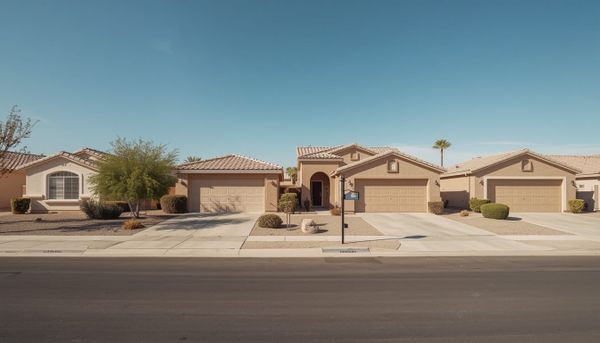
The most sought-after area almost always carries the highest price. Widen your search to the neighborhoods just next door, and you can often find a genuinely comparable home for meaningfully less. The East Valley has plenty of these overlooked pockets.
A home that needs a little cosmetic love, or that is a bit smaller than your dream, is often where the value hides. You can grow into it, improve it, and build equity as you do.
How do I actually save for the down payment?
The mindset only works if you pair it with a plan to build your down payment. The good news is that small, consistent choices add up faster than people expect.
The little recurring costs, the constant conveniences and extras, add up to real money over a year. Redirecting even a portion of them toward savings can grow a down payment surprisingly fast.
Living with roommates or keeping housing costs low for a season is a time-honored way to build a nest egg quickly. It is a short-term trade for a long-term asset.
Many buyers over-save because they assume they need a huge down payment. Low-down and even zero-down options exist, so knowing your real target can move your timeline up by years.
If you are a veteran, your VA benefit makes that all-important first step dramatically easier, with no down payment required and no monthly mortgage insurance. It is one of the strongest tools there is for getting onto the ladder without waiting years to save. Start with a starter home using your benefit, build equity, and trade up from there. Let us line up your eligibility so you can take that first step.
To keep the lanes clear: which neighborhoods and homes fit your budget and goals is your real estate agent’s expertise. My job is the financing that makes the first step real, showing you how little you may actually need down, what you qualify for, and how to position for a future trade-up. Start that with our East Valley mortgage team.
The bottom line
Your first home is not meant to be your last, so it does not have to check every box. Owning a starter you can afford beats waiting for a perfect home you cannot, because it starts building equity and puts you on the ladder to trade up. Stay flexible on location and the home itself, trim what you can to save, and find out how little you may truly need to get started. Take that first step with our East Valley mortgage team, and stop letting perfect stand between you and owning, right here across the East Valley.
Does my first home have to be perfect?
No. A first home is a starting point you trade up from, not a forever decision. Waiting for a perfect home in a perfect location is one of the most common reasons people stay renting longer than they needed to. Every buyer compromises somewhere.
Is it smarter to buy a starter home or keep saving for my dream home?
For most people, buying an affordable starter home wins, because it starts building equity now. That equity can later fuel a trade-up to a home that fits you better, while waiting usually just means more time paying rent.
How can I make a home more affordable as a first-time buyer?
Flexibility is your biggest lever. Looking at neighborhoods just outside the most in-demand area, or a home that is smaller or needs minor cosmetic work, can lower the price substantially while still building your equity.
How do I save for a down payment faster?
Trim recurring nonessential spending and redirect it to savings, keep housing costs low for a season if you can, and find out your real down-payment target, since low-down and even zero-down options exist and you may need far less than you assume.
Do veterans have an easier path to a first home?
Often, yes. The VA loan offers eligible veterans no down payment and no monthly mortgage insurance, which removes the biggest barrier to that first step. Eligibility depends on your circumstances, so it is worth confirming where you stand.


This article is for general educational purposes and is not a commitment to lend or financial advice. Statements attributed to Pamela Liebman reflect views expressed in a published article and are paraphrased for illustration; that individual and The Corcoran Group are not affiliated with and do not endorse CrossCountry Mortgage or the author. Home values, equity, and the ability to trade up are not guaranteed and depend on market conditions. Loan and down-payment program eligibility depends on individual circumstances and program guidelines, which vary and are subject to change; not all borrowers will qualify, and getting pre-approved does not guarantee loan approval. VA loan eligibility and benefits depend on individual circumstances. CrossCountry Mortgage is a private lender and is not acting on behalf of, or at the direction of, the U.S. Department of Veterans Affairs. Equal Housing Opportunity.