Can My HOA Really Foreclose on Me, and How Do I Prevent It?

Short answer: yes, in many places an HOA can foreclose over unpaid dues, and in some states its lien can even outrank your mortgage. It is rising, and it often catches owners off guard. The good news is that it is almost entirely preventable with a few simple systems. Here is how to protect yourself.
Here is the direct answer: yes, your homeowners association can, in many places, foreclose on your property over unpaid dues, and in some states an HOA lien can even take priority over your mortgage. These actions are on the rise, and they are especially dangerous because they can move quickly and outside the regular foreclosure process, sometimes over a bill an owner never even knew was due. If you own a condo or a home in an HOA community, and especially if you rent it out or do not live there, this is worth taking seriously. The reassuring part is that it is almost entirely preventable with a few simple habits. Here is what to know and exactly how to protect yourself.
How can a small HOA bill turn into a foreclosure?
It sounds extreme, but the path is straightforward once you understand the mechanism. A modest unpaid amount can snowball fast.
When HOA dues or an assessment go unpaid, the association can place a lien on your property. Late fees, interest, and legal costs can then inflate a small original balance quickly.
In many jurisdictions, that lien can be pursued all the way to a forced sale. HOAs facing their own rising costs have been pursuing collections more aggressively to stay solvent.
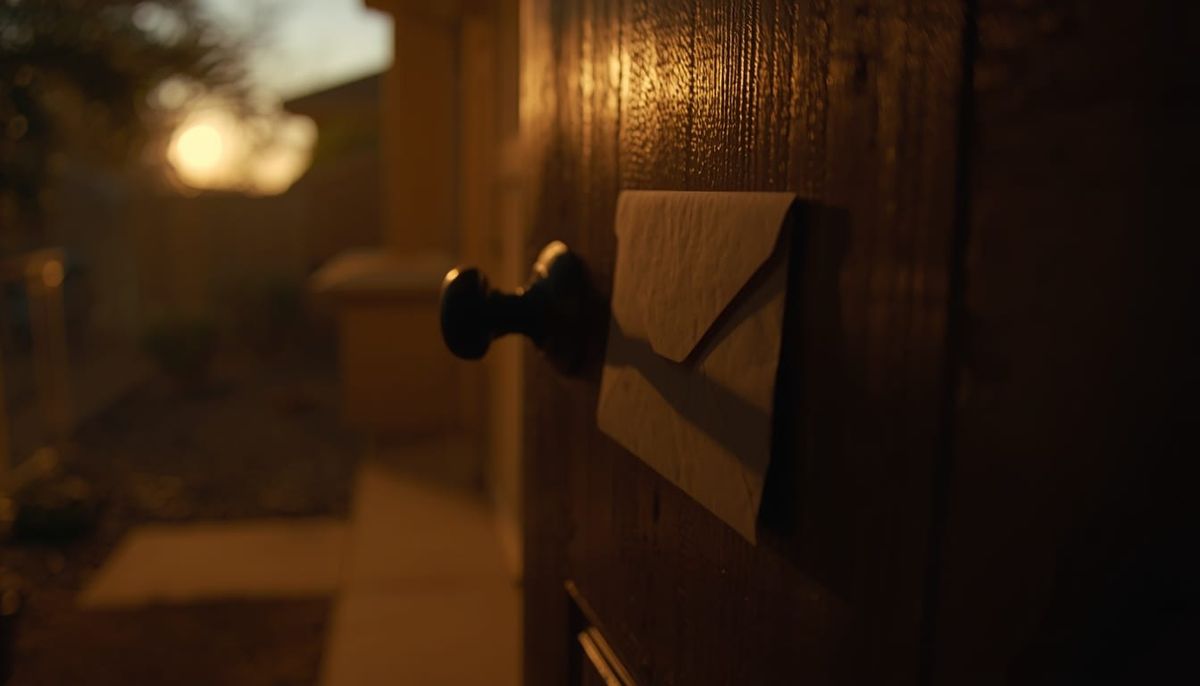
These actions often operate outside standard judicial foreclosure channels, so a misaddressed or misplaced default notice can start a clock you never see until it is well advanced.
The detail that surprises people: the super-lien
In roughly half of U.S. states, an HOA can hold what is called a super-lien, meaning a portion of its claim can take priority even over your primary mortgage. That is why an unpaid HOA balance is not a minor matter to brush off, and why knowing your own state’s rules is essential.
Who is most at risk?
The common thread in almost every one of these cases is not that the owner refused to pay. It is that they never got the message.
If you own a condo or home you do not live in, HOA notices can go to an old address, a property manager, or an online portal you rarely check, so a problem can grow unseen.
Mail a tenant never forwards, an outdated billing file, or simply being away for a while can all mean a notice slips through the cracks. Missed communication is the real vulnerability.
How do I protect myself?
Here is the encouraging part. A handful of simple systems make an HOA foreclosure nearly impossible to sneak up on you.
Set assessments to pay automatically from a dedicated account kept funded enough to absorb increases, so a payment is never simply forgotten.
Route mail to a service or box that scans envelopes to your email, so you always see who is contacting you, even when you are away or the property is across town.
Notices are sometimes posted on the door or left at the unit. A trusted person doing periodic checks ensures you catch those before any clock runs.
Set money aside beyond monthly dues for special assessments and rising insurance or maintenance costs, so a surprise bill never becomes a missed one.
If something appears, request an itemized account, verify the charges, challenge errors fast, and document everything. Speed keeps a small issue small.
A tenant parking wrong, altering the property, or leaving out bins can trigger fines you never see. Communicate clearly with both your tenant and the HOA so nothing accumulates unnoticed.
Why this matters across the East Valley
Our region is full of HOA-governed communities, from the master-planned neighborhoods of Gilbert and Chandler to the newer developments across Queen Creek and San Tan Valley. If you own or rent out a home in one of them, these rules apply to you, and Arizona has its own specific HOA and foreclosure procedures. Knowing how your community and our state handle this is part of protecting your investment, which pairs with our guide on short sale versus foreclosure options if you ever face trouble.
If you are a veteran who bought in an HOA community or holds a rental in one, put these safeguards in place now, before you ever need them. The discipline of a good system is exactly the kind of thing that protects the home and the investment you worked for. If you want a second set of eyes on your setup, I am glad to help.
To keep the lanes clear: HOA rules, liens, and the specifics of foreclosure law in Arizona are a real estate attorney’s territory, and day-to-day oversight of a rental belongs with you or your property manager. My lane is the financing and ownership side, helping you protect your equity, understand your mortgage picture, and map your options early if trouble ever appears. Reach out any time through our East Valley mortgage team, and see our guide on competing and buying smart as a local investor.
The bottom line
An HOA really can foreclose over unpaid dues, sometimes ahead of your mortgage and often faster than you would expect, and the risk is rising. But it almost always comes down to a notice the owner never saw, which means it is highly preventable. Automate your dues, monitor your property mail, budget for assessments, act fast on anything that appears, and keep your tenant within the rules. Know Arizona’s specific process, and if you ever need a straight-talking resource in your corner, reach out to our East Valley mortgage team, right here across the East Valley.
Can an HOA really foreclose on my home?
Yes. In many states, a homeowners association can foreclose over unpaid dues or assessments after placing a lien on the property. These actions have been rising, and in some states an HOA's claim can take priority over your mortgage, so an unpaid balance is not something to ignore.
What is an HOA super-lien?
In roughly half of U.S. states, an HOA can hold a super-lien, meaning a portion of its claim for unpaid dues can take priority even over your primary mortgage. That is what makes an unpaid HOA balance especially serious, and why knowing your own state's rules matters.
Why are HOA foreclosures catching owners by surprise?
Because they can move quickly and often outside standard foreclosure channels, and because the owner frequently never sees the notice. Mail sent to an old address, a property manager, or a portal you do not check can let a small problem grow unnoticed until it is well advanced.
How can I prevent an HOA foreclosure?
Put your dues on autopay from a funded account, monitor all property mail remotely, have someone check the property for posted notices, budget for assessments and increases, act immediately on any balance or notice, and make sure your tenant follows the HOA rules so fines do not accumulate unseen.
Do HOA foreclosure rules apply in the East Valley?
Yes. Many East Valley communities across Gilbert, Chandler, Queen Creek, and San Tan Valley are HOA-governed, and Arizona has its own HOA and foreclosure procedures. If you own or rent out a home in one, it is worth understanding how your community and the state handle unpaid dues.


This article is for general educational purposes only and is not legal, financial, or tax advice, and is not a commitment to lend. HOA assessments, liens, super-lien priority, and foreclosure procedures are governed by your association's documents and by state law, including Arizona, vary widely by state and community, and are subject to change; nothing here guarantees any outcome. If you face an HOA lien, delinquency, or foreclosure action, consult a licensed real estate attorney and your association. General observations reflect published reporting and are paraphrased and generalized for context; sources referenced are not affiliated with and do not endorse CrossCountry Mortgage or the author. Loan approval depends on credit, income, and assets, and getting pre-approved does not guarantee loan approval. VA loan eligibility and benefits depend on individual circumstances. CrossCountry Mortgage is a private lender and is not acting on behalf of, or at the direction of, the U.S. Department of Veterans Affairs. Equal Housing Opportunity.



