Buying a Foreclosure in the East Valley: How the Sale Really Works, and What to Check First

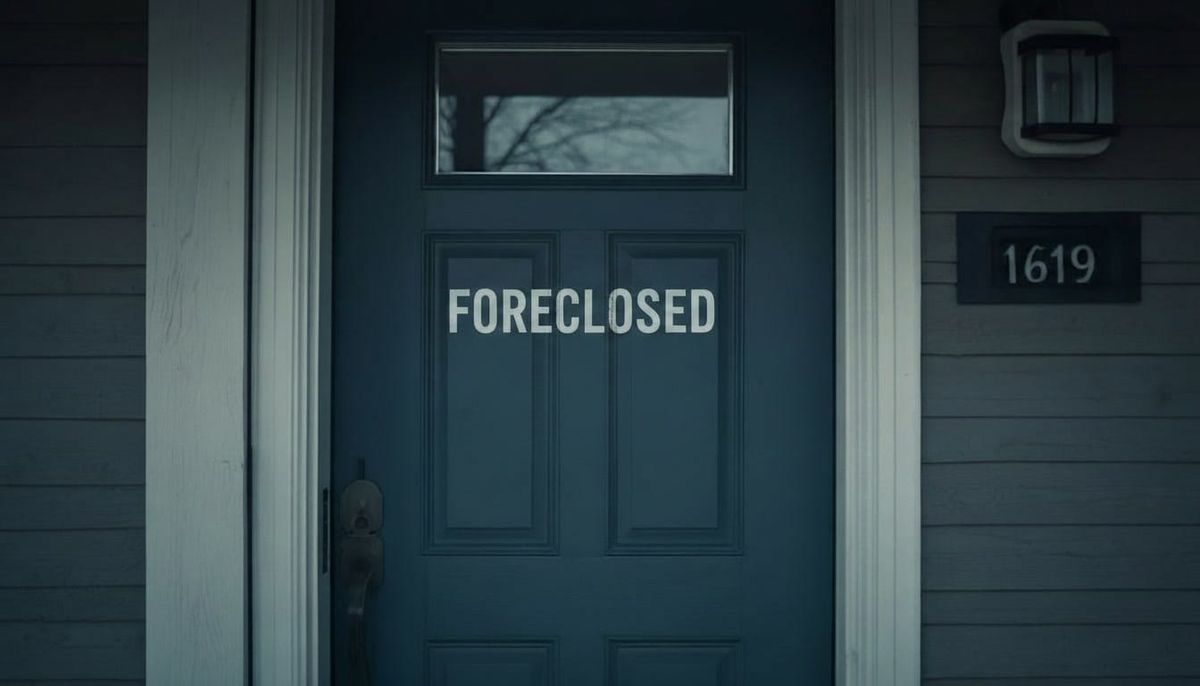
Foreclosures are back to about the everyday levels we saw before the last decade’s crisis, and Phoenix is among the metros seeing the most of them right now. A foreclosed home can be a real deal, but the process and the risks are unlike a normal sale. Here is how it works and what to verify before you make an offer.
Buying a foreclosed home can be a smart way to find value, and right now the topic is especially relevant close to home. A foreclosure is a property whose owners could no longer keep up with the mortgage, so the lender took ownership and is trying to sell it to recover what it can, often at an attractive price. Foreclosures today are back to roughly the everyday levels seen before the last decade’s crisis, nothing like that era, but they are around. And notably, Phoenix is among the metros seeing the most foreclosure listings right now, which puts this squarely on the radar for East Valley buyers.
A recent Realtor.com report placed Phoenix among the top metros nationally for foreclosure listings as of the summer. Their senior economist, Joel Berner, noted that more recent buyers, those who purchased after prices flattened and who have not yet built much of an equity cushion, tend to be the most exposed. For a prepared buyer, that means more foreclosure inventory may appear locally, and knowing how to approach it is worth your time.
How the foreclosure process works
A home does not become a foreclosure overnight. It moves through a defined sequence, and lenders usually try to work with the homeowner first. Here is the general path.
| Stage 1Default | The homeowner falls behind on payments. Lenders rarely act after a single missed payment and often offer plans to help the owner catch up and stay in the home. |
| Stage 2Notice of default | If the owner cannot catch up, the lender sends a formal notice, which typically opens a window for the homeowner to pay what is owed before things go further. |
| Stage 3Notice of sale | If the balance still is not resolved, the lender sets the home for public auction and provides notice that the sale is coming. |
| Stage 4Auction | The home is sold to the highest bidder, who generally must pay the full amount right away. The winning bidder receives the deed and becomes the owner. |
| Stage 5Bank-owned (REO) | If no one buys at auction, the lender takes the home back. It becomes real estate owned, or REO, and is then listed for sale like a normal home, often with an agent. |
That last distinction matters most to a buyer using a mortgage. Auctions typically require paying the full amount immediately, which puts them out of reach for most financed buyers. Bank-owned homes, by contrast, are usually listed normally, can often be inspected, and can generally be financed. A subset of bank-owned homes are government-held, sometimes called HUD homes, which are sold to eligible buyers.
Where a mortgage fits, and where it does not
Because REO homes are listed and sold in the normal way, you can usually tour them, make an offer through the listing agent, and use a mortgage. For most East Valley buyers, this is the realistic path into a foreclosure.
To finance a home, it generally has to meet basic standards. A foreclosure in a dire state of disrepair may not qualify for a conventional mortgage as-is. That is why the condition of a specific home is the hinge your financing turns on, and why checking it early matters so much.
When a foreclosure needs work, there are renovation loan programs that let you finance the purchase and the repairs together, based on the home’s value once the work is done. For the right fixer-upper, this keeps you from draining savings on repairs, and it is the option most buyers never think to ask about.
This is the heart of it. Because the bank will not fix problems and is not required to disclose them the way a typical seller must, the savings on a foreclosure can vanish into unexpected repairs. The deal is only a deal after you know the true condition. That is where careful homework comes in.
Do this homework before you make an offer
Finance the repairs, not just the purchase
Many buyers assume a foreclosure needing work means paying for repairs in cash on top of the purchase. Often it does not have to. A renovation loan folds the repair budget into your financing, which can turn a rough-but-promising foreclosure into a livable home without emptying your accounts. If a fixer is on your list, have this conversation before you write the offer.
To be clear on lanes: finding foreclosure listings, judging a home’s condition and true value, and clearing title and liens belong to a real estate agent who knows distressed properties, a home inspector, and a title company. Lean on all three. My job is the financing, telling you honestly which foreclosures you can buy with a mortgage, whether a standard or renovation loan fits a particular home, and getting you approved and ready so a genuine opportunity does not slip past you.
If you are buying with your VA benefit, a bank-owned foreclosure in livable condition can absolutely work, and there is a VA renovation option that may help with a home that needs repairs. The same condition standards apply, so the property has to qualify. Bring me the specific home and I will tell you straight whether your benefit fits it, before you get attached.
The bottom line
With foreclosure activity rising in the Phoenix area, more of these homes may cross your path, and for a prepared buyer that can mean real opportunity. Just remember what makes a foreclosure different: it is sold as-is, with no disclosures, so the price is only the starting point. Focus on bank-owned homes if you are using a mortgage, do the homework on condition and title before you offer, and keep a renovation loan in mind for a home that needs work. Line up your financing first, lean on the right specialists, and a foreclosure can be a smart buy instead of a costly surprise, right here across the East Valley.
This article is for general educational purposes and is not a commitment to lend, financial advice, or legal advice. Market and foreclosure figures cited reflect third-party reporting, including Realtor.com, for the period noted and vary by area and over time; individuals and companies named are not affiliated with and do not endorse CrossCountry Mortgage or the author. Foreclosure processes, timelines, notice periods, and rights vary by state and by stage; consult qualified professionals. Financing eligibility depends on the property meeting program requirements, including condition and habitability standards, and on borrower qualification; renovation loan programs are subject to eligibility and guidelines, and not all properties or borrowers will qualify. Getting pre-approved does not guarantee loan approval. Consult a licensed real estate agent, home inspector, and title company regarding condition, value, liens, and title. VA loan and VA renovation eligibility depend on individual circumstances. CrossCountry Mortgage is a private lender and is not acting on behalf of, or at the direction of, the U.S. Department of Veterans Affairs. Equal Housing Opportunity.