Are Manufactured Homes a Smart, Affordable Way to Buy? And What Are the New Rules?

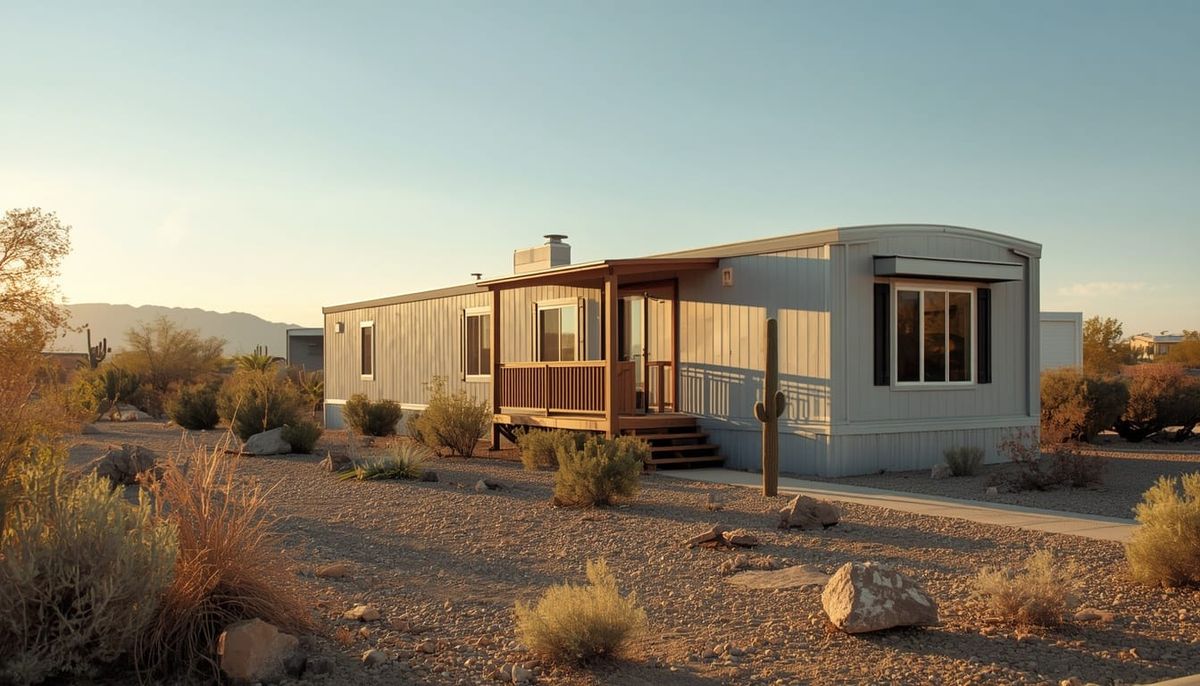
Short answer: yes, for the right buyer a modern manufactured home can be a genuinely affordable path to ownership, often costing far less than a comparable site-built house. Financing has been the main hurdle, but new federal changes aim to make these homes cheaper and easier to buy. Here is what to know and what is changing.
Here is the direct answer: for the right buyer, a modern manufactured home can be one of the most affordable ways into homeownership, often at a fraction of the cost of a comparable site-built house, and today’s versions are a world apart from the mobile homes people picture. The traditional catch has been financing, which has historically been harder to get and pricier than a standard mortgage. That is exactly what a set of new federal changes is trying to fix. Below is what a manufactured home really is, what is changing, and the barriers that still remain.
Manufactured, modular, or mobile: what is the difference?
The words get used loosely, but they mean different things, and the difference matters for financing and placement. Here is the plain-English version.
| Term | What it actually means |
|---|---|
| Manufactured home | A home built entirely in a factory to a national building standard, then transported to the site. This is the modern, current category. |
| Modular home | Built in factory-made sections, then assembled on site, and held to the same local building codes as a traditional house. |
| Mobile home | An outdated term for older factory-built homes. Industry folks wince at it, because today’s manufactured homes are nothing like the trailers of decades past. |
The quality gap is the headline most people miss. Older factory-built homes earned a rough reputation, but homes built in recent years can carry the same finishes you would expect in a traditional house, think drywall walls, quartz counters, and quality appliances, and they often come with warranties. The stereotype is well out of date.
Why has financing been the hard part?
If manufactured homes are so much cheaper, why doesn’t everyone buy one? The answer, more than anything, has been the loan.
Relatively few lenders have offered financing for manufactured homes, and the loans have often carried different, less favorable terms than a standard home mortgage. That has made the buying experience harder than it should be for such an affordable home.
A key distinction is whether you own the land. A loan for a manufactured home without land, sometimes called a chattel loan, works differently from a mortgage on a home plus its land. Which situation you are in shapes your financing options, so it is one of the first things to sort out.
What are the new rules, and what could they change?
Two recent federal actions aim squarely at making manufactured homes cheaper and easier to finance. They are described here plainly, without the politics. The practical effects for a buyer are what matter.
The changes that could help buyers
- A closer look at manufactured-home lending, directing the agencies that back most mortgages to review how they treat these loans, which could widen financing options over time
- Removing a costly construction requirement, eliminating a mandatory steel chassis, since the vast majority of these homes never move once placed, which could lower the price to build them
- Better government-backed loan terms, raising loan limits and allowing longer terms on certain manufactured-home loans, making the financing more workable
- Smoother permitting and zoning, streamlining approvals and encouraging local zoning reform so these homes are easier to place
One honest caveat: none of this happens overnight. The agencies still have to finish writing the detailed rules, so the benefits will roll out over time rather than all at once. But the direction is clearly toward making manufactured homes a more accessible, affordable option.
What still stands in the way?
If you are a veteran, your VA benefit can, in the right circumstances, be used for a manufactured home, though the property has to meet specific requirements and not every situation qualifies. Given how financing has been the traditional hurdle here, it is worth having someone check whether your benefit fits a particular manufactured home before you fall for it. Bring me the details and I will tell you straight.
To keep the lanes clear: which communities allow manufactured homes, local zoning and placement, and finding available inventory are questions for a real estate agent who knows this market. My job is the financing, sorting out whether you are buying with or without land, matching you to the right loan for a manufactured home, and getting you approved as these new rules make more options available. Start that with our East Valley mortgage team.
The bottom line
Manufactured homes have quietly become a serious affordable-housing option, with modern quality that would surprise most skeptics and a price that can undercut a site-built house significantly. Financing has been the sticking point, but new federal changes are aimed right at that, promising better loan terms and lower building costs over time. Zoning, supply, and old stigma still pose hurdles, so go in informed. If an affordable path out of renting appeals to you, get the financing question answered early with our East Valley mortgage team, right here across the East Valley.
Are manufactured homes cheaper than regular houses?
Generally, yes. A manufactured home can cost significantly less than a comparable site-built house, because it is built efficiently in a factory. Modern manufactured homes also often include finishes and warranties similar to traditional homes, so the lower price does not necessarily mean lower quality.
What is the difference between a manufactured, modular, and mobile home?
A manufactured home is built entirely in a factory to a national standard and moved to the site. A modular home is built in sections and assembled on site under local building codes. Mobile home is an outdated term for older factory-built homes; today's manufactured homes are very different.
Why is it harder to finance a manufactured home?
Fewer lenders have offered these loans, and the terms have often been less favorable than a standard mortgage. Financing also depends on whether you own the land; a loan for a home without land works differently from a mortgage on a home and its land. New federal changes aim to improve this over time.
What are the new rules for manufactured homes?
Recent federal actions direct a review of how manufactured-home loans are treated, remove a costly steel chassis requirement that could lower building costs, raise limits and allow longer terms on certain loans, and encourage smoother permitting and zoning. The changes roll out over time as agencies finalize the details.
Can I use a VA loan for a manufactured home?
In some cases, yes. A VA loan can be used for a qualifying manufactured home, but the property must meet specific requirements and not every situation qualifies. It is best to have a VA-experienced lender review the specific home and your eligibility before moving forward.


This article is for general educational purposes and is not a commitment to lend, financial advice, or legal advice. Statements attributed to third-party experts reflect views expressed in a published article and are paraphrased for illustration; those individuals and their firms are not affiliated with and do not endorse CrossCountry Mortgage or the author. Descriptions of federal actions and pending rules are provided for general information, are subject to change and to future rulemaking, and their timing and effects are not guaranteed. Manufactured, modular, and chattel financing options, loan limits, terms, and eligibility depend on the property, whether land is included, and program guidelines, which vary and are subject to change; not all borrowers or properties will qualify, and getting pre-approved does not guarantee loan approval. Local zoning and placement rules vary; consult a licensed real estate agent. VA financing for manufactured homes is subject to VA property and eligibility requirements. CrossCountry Mortgage is a private lender and is not acting on behalf of, or at the direction of, the U.S. Department of Veterans Affairs. Equal Housing Opportunity.